Behind the Screen: How Esports Teams Actually Operate
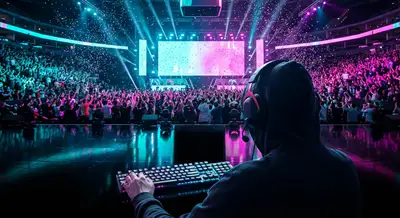
Esports isn’t just “sweaty ranked but with a stage and better lighting.” Behind every cracked player popping off on stream is a full system: analysts, coaches, sports psychologists, brand managers, scrims, VOD reviews, and a schedule that makes solo queue grind look casual. If you’ve ever wondered how pro teams really work—or what it actually takes to fit into that world—this is your deep dive.
Let’s peel back the curtain on the esports machine, from team culture to practice structure, and what all of this means for everyday gamers who want in.
What a Modern Esports Team Really Looks Like
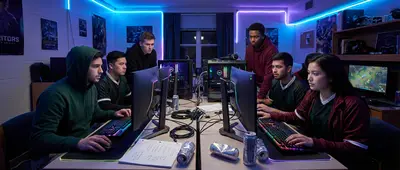
Esports teams used to be “five friends and a dream.” Now they’re closer to mini sports orgs.
At the core you’ve got the roster: players locked into specific roles depending on the game—entry fraggers, IGLs, supports, in-game leaders, shot-callers, macro brains, and clutch demons. Around them is a coaching staff that often includes a head coach, assistant coach, and at higher levels, role-specific coaches (e.g., aim coach, macro coach, or champion/agent specialist).
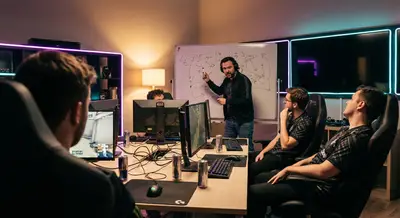
Then come the analysts. They’re the people you don’t see on stage but absolutely feel in the results. Analysts dig through demo files, replay VODs, scrim stats, and tournament data to spot tendencies: how often a team rushes B, which comp they default to on defense, who tilts under pressure, and what time in a game they usually throw their lead. They build reports that coaches turn into game plans.
On top of that, Tier 1 orgs usually have support staff: a manager to handle logistics and travel, a content team to keep socials pumping, a physio or trainer to prevent long-term injury from nonstop gaming, and sometimes even a sports psychologist to keep comms from imploding after one bad map. At the very top, you’ll see nutrition guidance and dedicated bootcamps to get teams locked in for major tournaments.
So when you see a highlight clip on Twitter, remember: that ace is only the visible part of a much bigger machine.
How Practice Actually Works (And Why “Just Play More” Is a Trap)
Most gamers think “pros just play all day.” That’s… half true and also super misleading.
A typical structured practice day at a serious org might look like:
- Warmup block: Aim trainers, custom lobbies, mechanics drills, micro-scenarios.
- Team review: Short VOD review—either their own matches or opponent scouting.
- Scrim block 1: Practice vs other teams under semi-official conditions.
- Break / lunch: Reset, light discussion, sometimes mental refresh exercises.
- Scrim block 2: More scrims, testing new strategies or comps.
- Deep VOD review: Picking apart mistakes, miscomms, timing issues, setups.
- Individual time: Solo queue, personal aim training, or vod reviewing POVs.
Raw hours matter, but structured hours matter far more. Most ranked grinders plateau because they:
- Repeat the same mistakes with no feedback loop.
- Only play when tilted or tired.
- Never review their own gameplay.
- Don’t practice specific skills—just “queue and hope to improve.”
Esports teams flip that. They drill specific scenarios like a sports team: retakes, set plays, late-game setups, eco rounds, fake executes, map control timings, and matchup-specific drafts or picks. They deliberately build reps for the exact situations that decide tournaments.
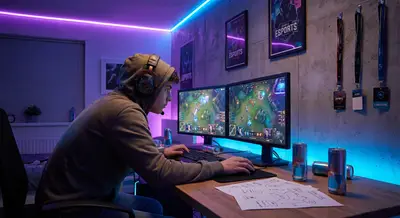
If you want to steal one thing from pro practice: start treating your sessions like workouts, not just “vibes and queue.” Go in with a plan—what you’re focusing on, how you’ll review, and what “improvement” actually looks like for that session.
Team Culture: The Hidden Win Condition
Mechanical skill gets you noticed. Team culture keeps you signed.
Inside a pro team, the wrong mindset is like a slow virus: one player flames, someone goes quiet, trust collapses, and suddenly every tiny mistake feels personal. A solid culture doesn’t mean everyone is best friends—it means everyone is aligned on how to handle problems.
Strong teams usually have:
- Clear roles in and out of game: Who makes the final calls? Who leads mid-game adapts? Who talks to the coach after a loss?
- Defined review rules: Critique the play, not the person. No blame-shifting, no passive-aggressive comments, no “I told you so.”
- Standard comms structure: Priority on urgent info, short and clear callouts, and a way to track who’s responsible for what in a fight or round.
- Professional baseline: Show up on time, camera on, notes ready; treat scrims like they’re official matches.
If you’re playing in amateur leagues, your edge might not be mechanics—it might be that your team doesn’t implode after going down 0–1 in a best-of-three. The teams that rise are the ones that can lose, adapt, and bounce back without turning the Discord call into a warzone.
Honest take: in 2026 and beyond, attitude and communication are often more gatekeeping than raw aim. Plenty of cracked players never make it because no one wants them in a team environment.
Scouting, Tryouts, and How Players Actually Get Picked Up
Most players imagine some fairy-tale “I popped off in one ranked game and a scout DM’d me.” Reality is more grindy and way more structured.
Teams look at:
- Tournament results over time: Not just one good run; they want consistency.
- How you perform on stage / streamed games: Can you still hit shots and make decisions when thousands are watching?
- Your comms: In tryouts, coaches listen to how you talk as much as how you aim.
- Adaptability: Can you learn new comps, roles, agents, or heroes without whining?
- Professionalism: Deadline-friendly, no drama on socials, responds to messages, keeps scrim info private.
Serious scouting happens in:
- Tier 2/3 circuits and regional leagues
- In-house leagues hosted by orgs or third parties
- Faceit / ESEA / high-elo lobbies plus VODs and stat tracking
- Social platforms—if you post smart clips and analysis, not just memes
If you want to be on radar, you need to exist somewhere organized—not just in ranked. Join leagues, tournaments, scrim groups, and community servers built around your game’s competitive ecosystem.
Insider tip: Lots of orgs quietly ask other coaches or players, “What’s this person like to work with?” Your reputation travels faster than your highlight reel.
Mental Game, Burnout, and Why So Many Pros Retire Early
We love to talk about the hype of esports—trophies, MVPs, crazy plays—but the burnout rate is brutal.
Pros deal with:
- Insane schedules: Travel, bootcamps, constant patches and meta shifts.
- Patch anxiety: Your main hero or role might get nerfed into the dirt overnight.
- Public pressure: Social media spam, hate DMs, memes when you int on stage.
- Short career window: Many feel they have to “win everything now” before they age out or the scene changes.
This is why more orgs are investing in:
- Sports psychologists to handle pressure, tilt, and performance anxiety.
- Sleep and recovery protocols, since reaction time and decision-making tank hard without rest.
- Ergonomic and physical training, to avoid injuries like wrist strain, back pain, and eye fatigue.
For regular gamers trying to “go pro,” the biggest mental trap is tying your self-worth to rank. Pro players learn (or are forced) to detach their ego from short-term results and focus on process: Did they follow game plans? Did they communicate well? Did they make correct decisions even if the outcome was bad?
If you’re grinding ladder and feeling constantly burned out, you’re basically running the bad version of a pro schedule—high stress, low structure, no support.
How the Money Works: Org Deals, Salaries, and Side Hustles
Let’s talk money without the sugar coating.
At the top level, players can earn a solid living: base salaries, prize splits, bonuses, and sometimes a cut from merch or brand deals. But that’s the tiny slice of the pyramid. Below Tier 1, lots of players are:
- On low or unstable salaries
- Getting occasional stipends or per-tournament payments
- Relying on streaming income, coaching, or content creation
Org deals also come with trade-offs: brand obligations, content shoots, specific sponsors you must use, clauses around streaming hours, and sometimes buyout fees that can trap you in bad situations.
What casual fans don’t see is how hungry the middle tier is. There are players on the edge of Tier 1 who are insane at the game, barely making a living, constantly worried about the next roster shuffle.
If you’re aiming for esports as a career, it’s smart to:
- Build a personal brand on Twitch, TikTok, or YouTube alongside competition.
- Learn how contracts work—what buyouts, term lengths, and IP rights mean.
- Treat your in-game name and behavior as long-term brand assets, not throwaways.
Long-term stability in esports usually comes from stacking pillars: competitive success + content + coaching/analysis/side skills, not just “please sign me to a big org.”
What Regular Gamers Can Steal From Pro Systems (Without Going Full Sweat)
You don’t need a seven-person staff and a team house to bring some esports structure into your own grind. A few easy wins:
- Run mini VOD reviews: Record your games and rewatch just the key moments—major fights, throws, clutch attempts. Ask: “What did I know at this moment?” not “What do I know now?”
- Create small focus blocks: Instead of 6 hours of chaos, try 90 minutes of themed practice: first hits, crosshair placement, rotations, objective play, or macro decision-making.
- Standardize comms with your stack: Agree on terms, callout priorities, and what “good comms” actually mean for your squad.
- Track just 1–2 metrics: For example, deaths per game, objective participation, or utility usage timing. See if they improve over a week—not just your rank number.
- Build a mental reset ritual: When you lose a game, take 3-5 minutes away from the PC: stretch, drink water, reset your head. That’s literally what pros are coached to do between maps.
Esports at its core is just optimized gaming. You don’t need a contract to start playing more like a pro—you just need to turn some of that randomness into intention.
Conclusion
Esports teams aren’t just five aim gods spamming queue; they’re high-pressure, highly structured systems built around strategy, discipline, and constant adaptation. The highlight reels are fun, but the real story is in the daily grind: scheduled practice, brutal self-review, mental coaching, and a culture that either holds or collapses under stress.
If you’re watching and thinking “I want in,” start small: build structure into your practice, fix your comms, clean up your attitude, and get into real competitive environments beyond ranked. You might not end up on a main stage—but you’ll absolutely become a smarter, stronger player, and that’s a win you control.
Sources
- The Esports Ecosystem: Structure and Revenue Streams - World Economic Forum overview of how modern esports organizations and the wider industry are structured
- Inside an Esports Team’s Training Regimen - BBC feature on how pro teams schedule practice, coaching, and analysis
- Performance, Burnout, and Mental Health in Esports - Research article on psychological demands and burnout risk among competitive gamers
- Professional Esports Player Contracts and Labor Issues - Washington Post breakdown of how contracts, buyouts, and player rights work in esports
- Physical Health, Injury, and Training in Esports Athletes - Academic review of physical strain, posture issues, and preventive strategies for competitive gamers