The Esports Grind: Inside the Real Journey from Casual Queue to Contender
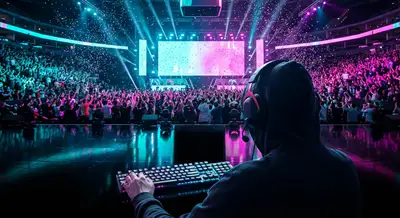
Esports looks flashy from the outside—LED stages, sponsors, giant trophies, and highlight reels on TikTok. But behind every “overnight success” is a brutal grind, smart strategy, and a reality that most players never see. If you’ve ever wondered what it actually takes to break into competitive play—or just want to understand the scene you’re watching—this is your deep dive into the real esports journey.
We’re talking skill, scrims, burnout, team drama, money, and the mental game. No sugarcoating, no fake promises. Just the path, as it really is, and how to move through it without losing your mind (or your love for games).
How Esports Really Works Behind the Hype
Esports isn’t just “good players playing for money.” It’s a full ecosystem: publishers, teams, leagues, sponsors, broadcast partners, and a giant ocean of hopeful players trying to break through.
At the top, you’ve got developer-backed leagues like the League of Legends Championship Series (LCS) and the VALORANT Champions Tour (VCT). These aren’t random tournaments—they’re structured seasons with contracts, salaries, staff, and strict rules. Think traditional sports, but your teammates flame you in Discord instead of the locker room.
Beneath that are regional circuits, third-party organizers, and online tournament platforms. This is where future pros actually prove themselves. Most pros didn’t just magically appear on a main stage; they grinded tier-2 and tier-3 scenes, open qualifiers, college leagues, or regional cups until someone finally noticed.
Esports is also insanely uneven. A handful of top titles (League, VALORANT, CS2, Dota 2, Fortnite, Rocket League) control most of the prize pools, viewers, and org attention. Playing a niche game can be fun, but if your dream involves salaries and stadiums, you need to understand the competitive ecosystem of your chosen title before going all-in.
Picking Your Game: Meta, Money, and Long-Term Potential
If you want to compete seriously, “I like this game” is a starting point—but it can’t be the only factor. Some games just have better competitive infrastructure, viewer interest, and career potential.
First, check the dev support. Riot, Valve, Epic, and Blizzard (for certain titles) put real money and structure behind their esports. Official leagues, huge world championships, and developmental path-to-pro systems matter because they create an actual ladder you can climb instead of random, disconnected events.
Next, look at the scene’s stability. Some titles explode and vanish. Others have been dominant for a decade (CS, League, Dota). A stable meta and long-term support give you time to grow. Constant reworks, game overhauls, or publisher apathy can make your hard-earned skill feel worthless overnight.
Finally, think about what fits your strengths. Do you thrive in shooters requiring crisp aim and fast reactions (CS2, VALORANT, Apex)? Do you love macro strategy and teamwork (League, Dota, Overwatch)? Or mechanics-heavy, solo carry potential (Fortnite, fighting games, StarCraft II)? The grind is too hard to force yourself into a role or genre you secretly hate.
Skill Climb 2.0: What Actually Moves You Up the Ladder
Most players spam ranked and expect magic. That might get you “above average,” but it won’t make you truly competitive. High-level improvement is less about volume and more about how you practice.
Start by narrowing your focus. Instead of “I want to get better,” target specific weaknesses: crosshair placement, rotating with your team, trading, objective control, or ultimate economy. Track 1–2 goals per session, not 10 vague ideas you’ll forget mid-game.
VOD review is non-negotiable if you’re serious. Record your matches, especially losses, and rewatch them without the in-game chaos. Ask: where did the round/game actually swing? Was it positioning, vision, resource usage, cooldown tracking, or pure mechanics? Most players blame teammates; top players blame patterns—and then fix them.
Copying pros isn’t “cheating,” it’s leveling. Watch pro POVs, not just highlight reels. Study how they take space, how often they check angles, how they use utility, when they back off instead of ego-peeking. Your goal isn’t to be creative at first; it’s to steal what already works and adapt it.
And yes, mechanics still matter. Aim trainers, micro drills, last-hitting practice, combos in training mode—these are your “gym sessions.” But raw mechanical grind without game sense is like stacking strength with no idea how to actually play the sport.
Turning Ranked Warriors into Real Teams
Queueing solo and being on an actual team are two different games. Ranked is chaos: no voice sometimes, trolls, random playstyles. In a team, your value isn’t just your stats—it’s your communication, synergy, and reliability.
Roles become way more defined. Someone is in-game leader (IGL) or shot-caller. Someone is the entry, support, anchor, flex, or AWPer. You might not always play your “ego role.” Sometimes the team needs a rock-solid support more than another flashy duelist who top-frags in ranked but never plays for the team.
Communication is your real superpower. Clean callouts, calm under pressure, clear plans (“hit A fast,” “save and play for next,” “stack B and gamble”) matter more than random yelling mid-fight. The best teams sound weirdly quiet in intense situations—because they’ve drilled situations so much they don’t need to panic-talk.
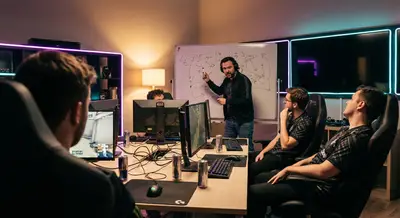
Scrims (practice matches vs other teams) are where you learn if you have what it takes. Scrims expose your habits brutally: missed setups, bad rotations, poor mid-round adjustments. They also teach you how to adapt to different styles, not just the chaos of matchmaking.
If you’re stuck finding a squad, look for amateur leagues, Discord communities, LFG platforms, or collegiate teams if you’re in school. A stable group to practice with, even at a low level, is infinitely better than 10,000 solo queue games alone.
Mental Game: Surviving Tilt, Burnout, and the Pressure to Perform
Mechanics get you noticed. Mental strength keeps you in the game.
Competitive pressure is real. You’ll have days where you miss everything, scrim blocks where you get stomped, or tournaments where you choke. How you respond to those moments decides whether you grow or quit.
Step one: normalize losing. Even pros lose scrims, matches, and full tournaments. The key difference is that they turn those losses into data instead of personal doomsday moments. If every L feels like a personal attack, you won’t last.
Tilt management is a skill. Short breaks, resetting between matches, muting chat if needed, and having clear routines (warm-up, cooldown, review) help stabilize your mood. The worst thing you can do is chase losses deeper into frustration while telling yourself “one more” at 3am.
Burnout is the hidden final boss. Grinding 10 hours a day without balance might feel “dedicated,” but it usually leads to plateauing or quitting. High-level players often mix focused practice, off-days, physical exercise, and non-gaming hobbies to stay sane. You’re a human, not just an in-game avatar.
And don’t underestimate health. Sleep, hydration, food, and exercise directly affect reaction time, decision-making, and emotional control. It’s not “tryhard” to treat your body like part of your setup—it’s just smart.
Money, Contracts, and the Not-So-Pretty Side of Esports
Let’s be real: esports money looks wild on headlines—multi-million dollar prize pools, giant sponsorships, big brands everywhere. But most of that does not trickle down to every player grinding in tier-2.
Top-tier orgs pay salaries, cover travel, provide staff (coaches, analysts, managers), and sometimes housing. But the number of stable, fully salaried pros is relatively small compared to the total player base. A lot of “pros” in the lower levels juggle school, jobs, or content creation to stay afloat.
Contracts are another minefield. Some orgs and teams offer deals that look exciting (“We’ll help you go pro!”) but lock players into bad revenue splits, long terms, or unrealistic expectations. Reading every line of a contract, asking questions, and getting advice (from a lawyer, agent, or experienced player) isn’t optional—it’s your protection.
Prize money also isn’t guaranteed or consistent. You might win a small tournament one month and make nothing the next three. Relying only on winnings is risky; that’s why many serious competitors also stream, coach, or create content to diversify income.
The upside: esports is slowly professionalizing. Better contracts, player associations in some games, and more attention on player rights are becoming part of the conversation. But until the ecosystem matures fully, you need to be your own advocate.
Content, Clout, and Building Your Personal Brand
Here’s the unspoken rule: being cracked at the game is huge—but having visibility multiplies your opportunities.
Teams and sponsors don’t just want silent monsters; they want personalities fans can follow. That doesn’t mean everyone has to be a loud streamer, but it does mean your online presence matters. People can only support you if they can actually find you.
Streaming, YouTube, TikTok, Twitter/X, and even short-form VOD breakdowns are all tools. You don’t have to dominate every platform, but pick one or two and be consistent. Post highlights, breakdowns, POV commentary, or even just your journey—tournaments, scrims, honest takes on your progress.
Your brand should match who you actually are. If you’re naturally analytical, lean into that. If you’re hype and chaotic, use it. Forced personas burn out fast. Authenticity attracts people who actually like watching you, not just whatever meta hero or weapon you’re using.
And even if you never go full-time, building a name helps you: easier to find teams, more invites to stacks, better networking with coaches, orgs, and event organizers. Skill gets you on the radar; brand keeps you there.
Is the Esports Grind Worth It?
Esports isn’t a guaranteed path to fame and fortune. For most people, it’s a brutal, uncertain grind, full of highs and lows and “almost” moments. Not everyone will end up on a main stage—and that’s okay.
The real question is: do you love the process? The scrims, the VOD reviews, the disciplined practice, the team huddles after tough losses, the stacked weekends with back-to-back tournaments. If you enjoy that, not just the fantasy of a trophy, you’re already ahead of most of the ladder.
Use the scene smartly. Learn from pros. Protect your mental health. Don’t sign anything blindly. Build your brand. Find good teammates and better habits. And whether you end up as a pro, a coach, an analyst, a content creator, or just the sweatiest player in your friend group, you’ll have turned “just gaming” into something way more meaningful.
Esports isn’t just an arena—it’s an ecosystem. If you’re ready to grind with intention, there’s a place in it with your name on it.
Sources
- BBC Sport – Esports explainer: What are esports? - Overview of how esports works, major titles, and the structure of competitive scenes
- The Esports Observer (Sports Business Journal) – Esports ecosystem insights - Industry news and analysis on teams, leagues, sponsorships, and finances
- Riot Games – VALORANT Champions Tour Official Site - Example of a publisher-backed, structured esports ecosystem and path-to-pro
- Nerd Street – What is Tier 2 in Esports? - Explanation of tier-2 competition and its role in player development
- American Psychological Association – The road to excellence in sports: Training & mindset - Research-backed look at mental toughness, burnout, and performance that applies directly to competitive gaming